Cessna Nose Gear Strut Assembly: Front Landing Gear Maintenance Solution
Cessna Nose Gear Strut Assembly: Front Landing Gear Maintenance Solution
Blog Article
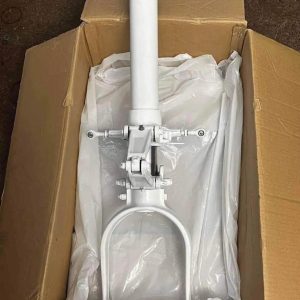
The Cessna Nose Gear Strut Assembly is an important landing-gear component designed to support the forward section of a compatible aircraft during taxiing, takeoff, landing, parking, towing, and routine ground operations.
A Cessna Nose Landing Gear Strut may form part of a broader Cessna Nose Gear Assembly, while the phrase Cessna Landing Gear Strut can describe different positions or configurations depending on the aircraft model.
A Cessna Front Landing Gear read more Assembly may include an Aircraft Nose Gear Strut, wheel fork, steering parts, attachment hardware, seals, bearings, and other model-specific components.
A Cessna Nose Wheel Strut must maintain appropriate geometry and movement for predictable ground handling.
Accurate product information supports responsible purchasing and reduces installation delays.
Key Details of an Aircraft Nose Strut
Every dash number, suffix, revision, modification, and subcomponent marking should be recorded because similar-looking Cessna nose gear assemblies may not be interchangeable.
Transparent package details improve the commercial value of the Cessna Nose Gear Strut Assembly.
How the Nose Gear Supports the Airframe
The nose gear supports a portion of the aircraft’s ground weight and transfers loads into designated airframe attachment points.
A replacement strut cannot correct damaged airframe attachment points or distorted landing-gear geometry by itself.
Shock Absorption and Strut Compression
A shock strut is designed to compress and extend in a controlled manner as the aircraft encounters landing and ground loads.
Qualified maintenance supports proper Cessna Nose Gear Shock Absorber operation.
Nose Wheel Steering and Directional Control
Correct geometry supports more consistent taxi and landing-roll control.
Excessive turning can damage linkage, hoses, fairings, fork components, or internal strut features depending on the design.
Avoiding Universal Cessna Fitment Claims
Compatibility depends on the exact Cessna model, aircraft serial-number range, landing-gear configuration, part number, modification status, wheel arrangement, steering system, and surrounding structure.
The donor aircraft may provide useful history but does not independently establish eligibility for another aircraft.
Checking Chrome and Machined Surfaces
The strut cylinder and piston surfaces should be examined for scoring, corrosion, pitting, scratches, impact marks, discoloration, and evidence of improper tool use.
Internal wear can result from contamination, damaged seals, misalignment, corrosion, or prolonged operation with incorrect servicing.
Preventing Contamination and Seal Damage
Accurate leak evaluation supports dependable Cessna Nose Landing Gear Strut operation.
Any internal maintenance should be documented with parts and procedures used.
Maintaining Protective Finishes
Surface discoloration should be evaluated rather than dismissed automatically as cosmetic.
Protective coatings should be checked for chips, lifting, abrasion, bubbling, poor adhesion, and incompatible refinishing.
Inspecting High-Stress Areas
The assembly should be inspected for cracks, bending, twisting, damaged welds, distorted mounting features, and impact marks.
Transparent impact history supports informed Cessna Front Landing Gear Assembly purchasing.
Maintaining Wheel and Tire Geometry
Clear package information helps buyers estimate the complete repair cost.
Professional assembly supports dependable Cessna Nose Wheel Strut performance.
Maintaining Strut Alignment
Bushings, bolts, washers, bearings, and attachment holes should be inspected for wear, elongation, corrosion, looseness, and inadequate lubrication.
Recurring shimmy should prompt inspection of the entire nose gear, wheel, tire, steering, balance, and attachment system.
Shimmy, Vibration, and Uneven Tire Wear
Replacing the strut assembly alone may not correct the concern if other components remain defective.
Tire condition should be reviewed together with the strut, wheel, fork, axle, and steering components.
Avoiding Incorrect Landing Gear Servicing
The strut should be serviced using clean equipment and controlled procedures.
Proper servicing protects the Aircraft Landing Gear Strut and surrounding structure.
Evaluating Internal and External Components
An overhaul may include complete disassembly, cleaning, dimensional inspection, crack inspection, corrosion evaluation, seal replacement, surface review, reassembly, servicing, and functional checks.
Reconditioning decisions depend on structural condition, dimensional limits, corrosion depth, surface damage, repair data, parts availability, and cost.
Aircraft Nose Gear Buying Guide
Any uncertainty regarding fitment, impact history, corrosion, leakage, repairs, or package completeness should be resolved before shipment.
- Resolve identity, applicability, condition, and package-completeness questions before payment.
- Confirm total time when known, removal reason, donor aircraft, overhaul history, servicing status, seal replacement, and inspection results.
- Inspect and photograph the assembly immediately after delivery before cleaning, servicing, disassembling, repairing, painting, or installing it.
Preventing Damage to the Piston and Fork
The assembly should be secured in a rigid crate or suitable container that supports its weight without loading the piston, fork, fittings, steering components, or delicate surfaces.
The receiver should inspect the crate for impact, puncture, water exposure, or shifting before opening.
Preparing a Stored Assembly for Service
Openings should remain protected from contamination.
Extended storage may require renewed inspection, seal evaluation, cleaning, servicing, and corrosion review before installation.
Installing the Cessna Front Landing Gear Assembly
Surrounding structure should be inspected for cracks, corrosion, deformation, worn holes, and previous repair before installing the replacement assembly.
Disciplined workmanship supports reliable Cessna Front Landing Gear Assembly operation.
Any abnormal indication should receive prompt evaluation before further operation.
Protecting Long-Term Ground Handling Reliability
Routine maintenance should include inspection of the piston, cylinder, seals, fluid leakage, extension, fork, axle, wheel, tire, bearings, torque links, steering parts, fasteners, and mounting structure.
Pilots and operators should report steering changes, unusual compression, leakage, vibration, or tire wear promptly.
Landing Gear Ownership and Installation Costs
Assemblies with clear photographs, complete records, transparent removal history, and identified components are easier for professional buyers to assess.
Buyers should compare complete and documented packages rather than price alone.
Choosing the Cessna Nose Gear Strut Assembly
The Cessna Nose Gear Strut Assembly offers stronger commercial value when its part number, removal history, inspection status, overhaul records, included hardware, and documentation are described accurately.
Buyers should request current photographs, accurate measurements, transparent condition information, professional inspection details, protected freight arrangements, secure transaction terms, and qualified maintenance review.
Whether buyers need a Cessna Front Landing Gear Assembly, Aircraft Nose Gear Strut, Aircraft Nose Landing Gear Assembly, or Cessna Shock Strut Assembly, current physical condition should be verified.
With responsible purchasing, crack and corrosion inspection, seal evaluation, correct hardware, controlled servicing, and ground-handling checks, the component can remain a valuable aviation asset.
Report this page